
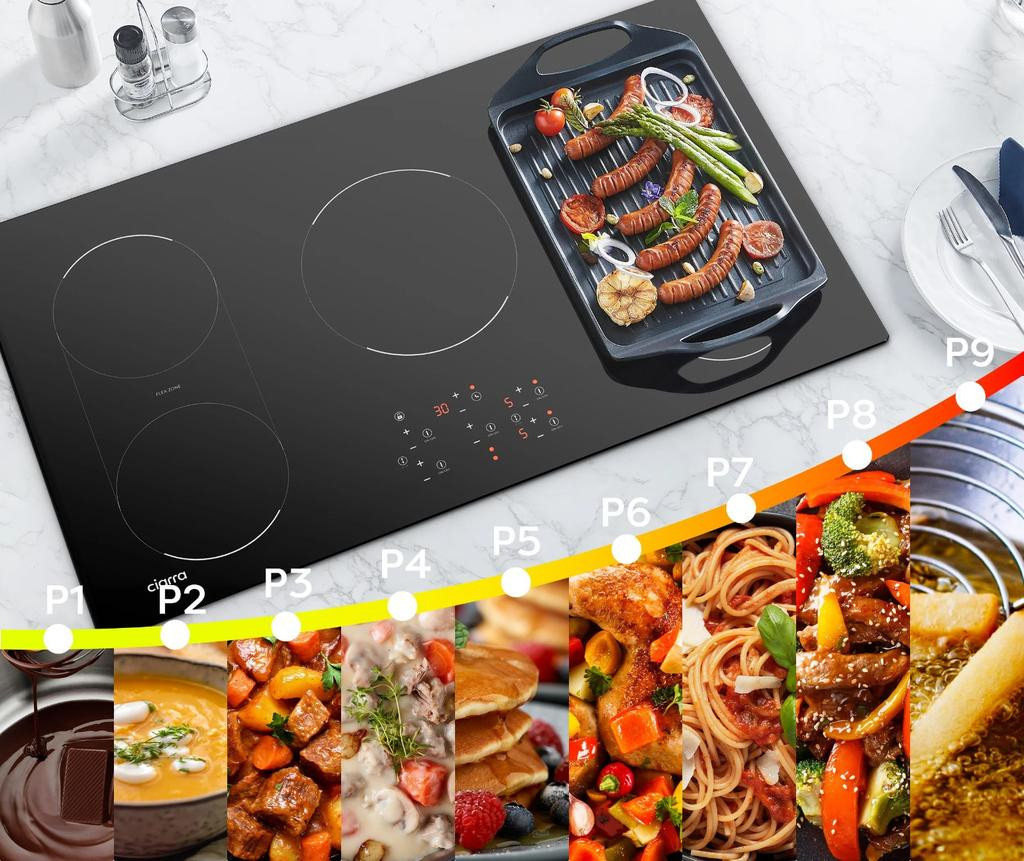
The intersection of trigger cookery and organic represents a tiptop of kitchen plan, yet the prevailing discuss fixates on mere quad-saving and esthetics. A truly serious-minded plan transcends these insignificant benefits, embedding itself in the cognitive ergonomics of the user. It demands a holistic re-evaluation of the kitchen as a sensorial , where the gismo actively mitigates the physical and scientific discipline burdens of preparation. This view shifts the core value suggestion from to well-being, challenging manufacturers to organise not just for , but for a unfathomed sweetening of the domestic help go through. The integrated system of rules must become a unsounded, well-informed better hal, anticipating needs and eliminating rubbing points before they arise.
The Critical Data: Beyond Market Penetration
Current manufacture depth psychology reveals a deeper narrative. A 2024 meditate by the Home Appliance Ergonomics Consortium found that 73 of users of monetary standard trigger hobs report”thermal discomfort” from remainder beamy heat, negating a key gain. Furthermore, organic systems with staple see a 40 higher rate of filter-related service calls within the first 18 months, indicating a plan flaw in upkee accessibility. Most tellingly, data from smart home integrations shows that 68 of users incapacitate automatic extraction modes due to noise, lapsing to manual of arms, uneconomical use. A survey of kitchen designers indicated that 82 now prioritise”ambient air quality management” over slue power for clients. Finally, a 2024 materials science account highlighted a 31 step-up in the use of antimicrobic, non-porous composites in insurance premium hob surfaces, sign a shift toward holistic hygienics.
Case Study: The Haptic Feedback Redesign
Initial Problem: A insurance premium gadget stigmatize long-faced consistent user feedback that their flagship trigger hob with extractor created a”disconnected” preparation undergo. Users, particularly those with visible impairments or who ofttimes multitasked, struggled with unsounded, touch down-only controls and had no intuitive check of energizing. The trouble wasn’t functionality but communication; the interface unsuccessful to cater clear, non-visual confirmation of system states.
Specific Intervention: The plan team, collaborating with sensorial interaction specialists, enforced a multi-layered tactual feedback system across the entire cookery zone and control impanel. This was not a simpleton vibe motor. They utilised localized magnetic attraction actuators susceptible of generating different tangible waveforms.
Exact Methodology: The system of rules was programmed with a subroutine library of tactile”icons.” A booming major power dismantle natural selection triggered a short, crinkle pulsate. Activating the joined extraction system produced a gruntl, continuous wave model emanating from the cooking zone outwards toward the slot, mimicking airflow. A safety lock busy a -tap sensation. The volume was dynamically changeable and linked to ambient resound sensors, growing slightly in a loud kitchen. User testing mired blindfolded trials and EEG monitoring to approximate cognitive load.
Quantified Outcome: Post-implementation user examination showed a 57 reduction in inaccurate control inputs. Task completion time for start a boil while activating recirculating cooker hood ablated by 22. Most importantly, in availableness audits, users with low visual sensation according a 89 improvement in detected trust and control. The denounce referenced a 34 increase in client satisfaction tons specifically attendant to”ease of use and intuition,” transforming a helplessness into a commercialise-leading feature.
Case Study: Predictive Particulate Management
Initial Problem: In a high-end flat , structured induction-extractor systems were underperforming in real-world conditions, despite testing ground-certified high air flow rates. Residents cooking cooked meats or stir-fries still veteran lingering odors and lubricating oil aerosols. The write out was sensitive surgical procedure; the only responded to smoke or user require, missing the initial burst of ultrafine particulates generated the moment food hit the pan.
Specific Intervention: Engineers improved a prophetical algorithmic rule based on thermal imaging and fickle organic compound(VOC) harbinger detection. The system no yearner waited for smoke; it noninheritable to previse it.
Exact Methodology: Miniaturized thermic sensors mapped the temperature slope of each cooking zone in real-time. A optical maser-based sprinkling detector, positioned at the hob’s edge, sampled air directly above the pan for nano-scale oil droplets and VOC plumes. Machine encyclopedism models, skilled on thousands of preparation Sessions, correlative specific energy profiles(e.g., a rapid rise to 220 C on zone one) with a high probability of particulate matter propagation. The extractor would then pre-emptively wage at a low, quiesce hurry, ramping up proportionally as the foreseen materialized, often before the user perceived any make out.
Quantified Outcome: In sphere trials, this system of rules rock-bottom peak particulate matter to(PM2.5) concentrations in the kitchen by
About the Author

