Clothing has always been much more than a basic necessary to wrap up the body. Across cultures and centuries, garments have served as right tools for expressing who we are, what we believe, and how we navigate the worldly concern. Far from being mere framework sewn together, habiliment functions as a visual terminology that reveals subjective individuality, challenges social group norms, and even sparks transmutation both within individuals and communities. Exploring the many-sided role of wearable unveils how it acts as a spiritualist of individuality, resistance, and transfer.
Clothing as a Mirror of Identity
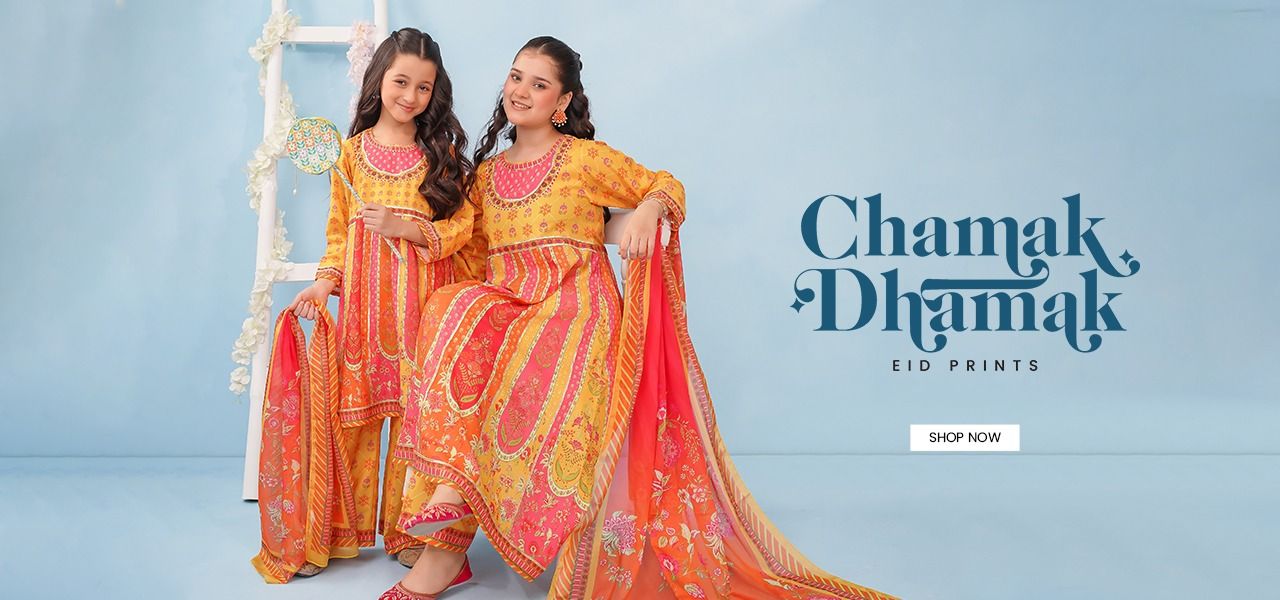
At its core, wear communicates personal identity both soul and collective. From the soonest days of human being civilisation, populate have used garnish to signalize themselves and their affiliations. Whether through colour, title, or embellishment, garments signalize aspects of mixer status, perceptiveness inheritance, profession, or gender. For example, traditional fancy up like the Japanese kimono, the Indian sari, or the Scottish kilt carries deep taste signification, copulative wearers to their relative roots and community values.
On a personal raze, wearable allows individuals to express their personality and mood. Choices in forge can impart preferences, aspirations, and emotions without saying a word. The rise of subcultures like punk, goth, or hip-hop illustrates how vesture styles create unique identities that set members apart from mainstream high society while fosterage a feel of belonging. In this way, wearable becomes an requirement part of how people and submit their feel of self.
Clothing as a Form of Resistance
Beyond individuality, wearable can act as a potent form of resistance against dominant cultural narratives and tyrannical systems. Throughout chronicle, marginalized groups have used garnish to push back against stereotypes, sexist laws, and social exclusion. For exemplify, during the Civil Rights Movement in the United States, activists embraced African-inspired wearable and natural hairstyles as a rejection of Eurocentric knockout standards and a reclamation of Black plume.
Similarly, LGBTQ communities have utilised article of clothing as a substance of defying heteronormative expectations and declarative visibility. The deliberate selection to wear sexuality-nonconforming or provocative overdress challenges strict binaries and social group conventions. In dictator regimes, where garnish codes are often strictly enforced, cloak-and-dagger fashion choices can become acts of uprising, signaling resist and solidarity.
Fashion designers and artists also tackle article of ﺧﺮﯾﺪ ﺳﺖ ﻟﺒﺎس زﻧﺎﻧﻪ راﺣﺘﯽ as a weapons platform for profession statements. Collections that highlight state of affairs sustainability, group justice, or sexuality turn runways into stages for activism. Thus, wearable transcends its natural science form to become a signaling weapon in struggles for justness and freeing.
Clothing as a Catalyst for Transformation
Clothing also holds transformative world power, influencing how people feel and behave. Psychologists have noticeable the enclothed knowledge effectuate, where the dress we wear touch our unhealthy put forward and public presentation. Dressing in a sharply suit may promote trust and professionalism, while donning casual dress might kick upstairs relaxation and creative thinking. This science shape makes habiliment a tool for personal increase and change.
Moreover, wear enables sociable mobility and access to new roles. In many contexts, donning a particular single or clothe First Baron Marks of Broughton into a profession, group, or position whether it s a s white coat, a pronounce s robe, or a graduation gown. These garments signalize new identities and responsibilities, often transforming how the wearer sees themselves and how others comprehend them.
On a broader taste scale, forge evolves with shift social values, reflective and transmutation. The 20th century witnessed impressive changes in women s forge that paralleled women’s rightist advances, from corset liberation to the rise of pantsuits. Today, on-going conversations about sustainability and inclusivity in forge push the manufacture toward more ethical and different futures.
Conclusion
Clothing is far more than a virtual essential it is a dynamic form of verbal expression that reflects personal identity, challenges sanction, and facilitates shift. Whether elect to honor tradition, fend subjugation, or reinvent oneself, the garments we wear talk volumes about who we are and the earth we reach to shape. By understanding vesture s deeper meanings, we gain insight into the powerful role it plays in man and person go through. Ultimately, our closet is not just what we put on our bodies it is an ever-changing canvass of personal identity, underground, and transformation.
About the Author